
Economics: Where More Women Are Needed
BY VITTORIA ANGELONI
“Why was there so much poverty? What could be done to solve the problems that made the lives of so many people so hard and stressful? How could the country lift its people’s living standards?” characterize some of the many questions that inspired Silvana Tenreyro, professor at the London school of Economics, to become an economist. Raised in the midst of “virulent economic cycles and high inequality” in northern Argentina, she observed the struggles of a population marked by poverty, high inflation, unemployment and the outbreak of cholera in her native province.
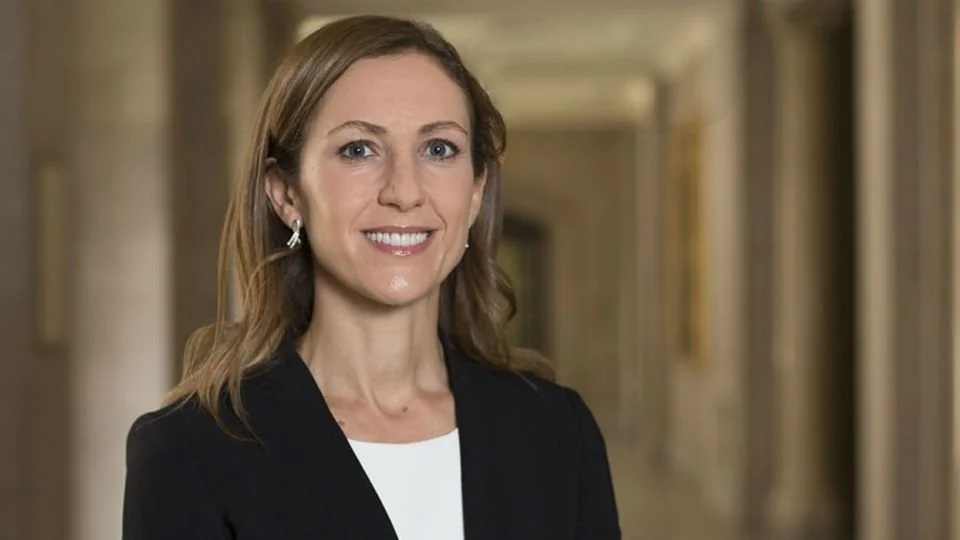
Silvana Tenreyro; Source: Bank of England
This stimulating background paved the way for her career in economics, a field that remains heavily male-dominated today. In 2018 she served as the only female member on the Monetary Policy Committee for the Bank of England, a high-level policy making group that serves to lower and stabilize inflation in the United Kingdom.
When she started her career in academia, she found something that she didn’t expect. “I was initially struck by the assertiveness and self confidence of some of the men in the room and the combative style of exchange in economics at the time, which was different from other disciplines and professions.” she says in regard to the pressures in such positions. Though initially questioning her own ability to counter and engage said behavior, she was able to persist: “With time, two things happened:
1. I learnt I could be myself and could be firm and rigorous without having to argue in a style that I did not like.
2. Working with the Women in Economics committee of the European Economic Association taught me we could activate change, making colleagues aware that some behaviours were not professional and did not contribute to a constructive exchange of ideas.”
Speaking from experience, she believes Economics has made progress in recent years, but that we shouldn’t be satisfied yet. When thinking of women entering careers in economic fields, she states that perseverance is crucial to making it. “I think some young women can initially be put off by men’s self-confidence and assertiveness. That seeming lack of self-doubt can deter people who are shyer or less self confident.” She also talks about a lack of role models making economics seem inaccessible: “We learn consciously or unconsciously by looking around in our societies. If there are few women in policymaking, it’s harder for young women to identify themselves in those positions, and they end up pursuing other careers that seem more relatable.”
Women, despite their lacking representation, are needed to bring ideas and perspectives into the field and there is plenty of evidence suggesting that women economists are both qualified and interested. “I haven’t seen the latest figures, but typically women tend to be drawn to the field of Applied Microeconomics like Development or Labour Economics”, she notes, highlighting the three female Nobel laureates Elinor Ostrom, Esther Duflo and Claudia Goldin, “But having said that, most women I know are interested and worried in macro problems, from unemployment, inflation, climate change, poverty…”. The presence of women in jobs ranging from Public Health to Education to Climate Change, Geopolitics, International Trade and many more is needed and should be fostered: “The tree of possibilities in the field of economics is enormous – and exciting. Economics is ultimately about improving people’s lives.”
