
Beyond “Please” and “Thank You”: Understanding the Importance of Etiquette
BY DELARA BAKHTYARI
In a world where texting often replaces talking and “thank you” is just an emoji, the art of etiquette can seem old-fashioned. Yet, true etiquette isn’t about rigid rules, it’s about showing respect, confidence, and caring for others.
So, what really is the importance of etiquette? “Etiquette used to be about social stratification, where you land on the social stratosphere based on your manners and other aspects. These expectations of behavior have developed into confidence, and how to make others feel comfortable.” says Amanda Stifel, founder of Miss Polished Corners.
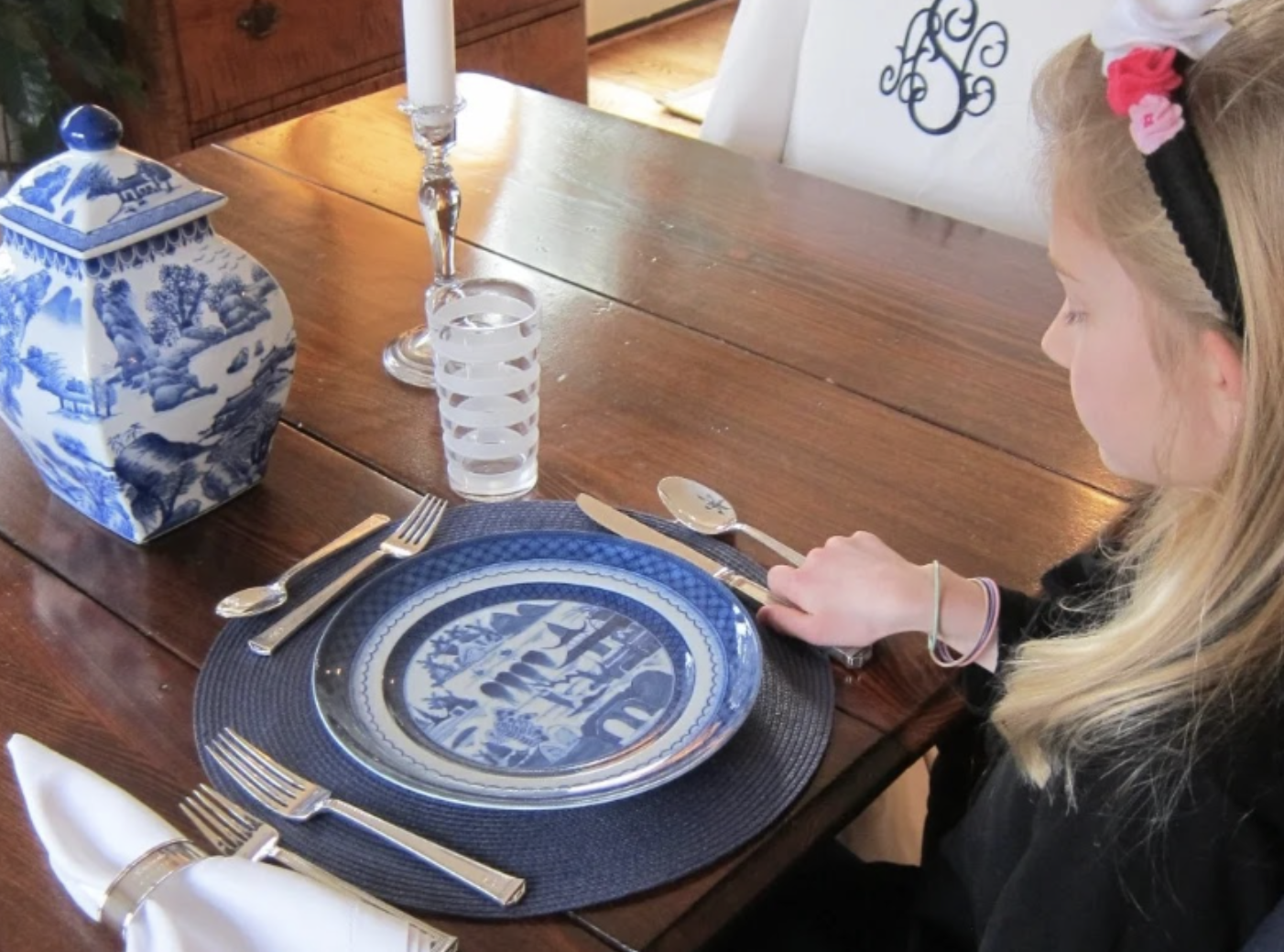
Practicing table etiquette; polishedcorners.com
For young women today, confidence is one the most valuable traits that etiquette cultivates. When you are confident in your manners, it becomes easier to focus on the conversation or task at hand. Another key element of etiquette, Mrs. Stifel notes, is understanding the continuum. Whether you’re grabbing coffee with a friend or attending a state dinner at the White House, the level of etiquette expected is exceedingly different. “Knowing the continuum, understanding when to use which type of etiquette and when to use all of them completely is incredibly necessary to give young women confidence,” she explains.
One of the most important etiquette skills teenage girls can develop is the ability to make others feel welcome and comfortable— to help people feel heard, seen and valued in the conversation. Another essential skill is mastering conversation itself. “Nobody is born a perfect conversationalist,” Mrs. Stifel says. “That’s why it’s important to practice.” She encourages young people to start conversations with those they don’t necessarily know well, as this skill will serve them in interviews, social settings and professional events alike. Her advice to the new generation: “Put down the phones and be in the moment with the people you see every day. Show interest in the person spending their time with you.”
When it comes to table manners, Mrs. Stifel also shares a simple but often overlooked rule: When eating bread before the meal, break off a small piece from the roll, butter it, and eat it one piece at a time. She encourages younger children to embrace and enjoy sit-down dinners with their families as a way to naturally build these habits.
In the end, etiquette goes far beyond polite words, it’s about respect, confidence and connection. It shows that we value not only ourselves but also those around us. Going beyond “please” and “thank you” helps create a sense of belonging and fosters meaningful relationships. After all, the way you carry yourself today may open doors to opportunities in the future.
