
Perspective & Perseverance: Why Growth Mindsets Drive Entrepreneurial Success
BY KENNA CASEY
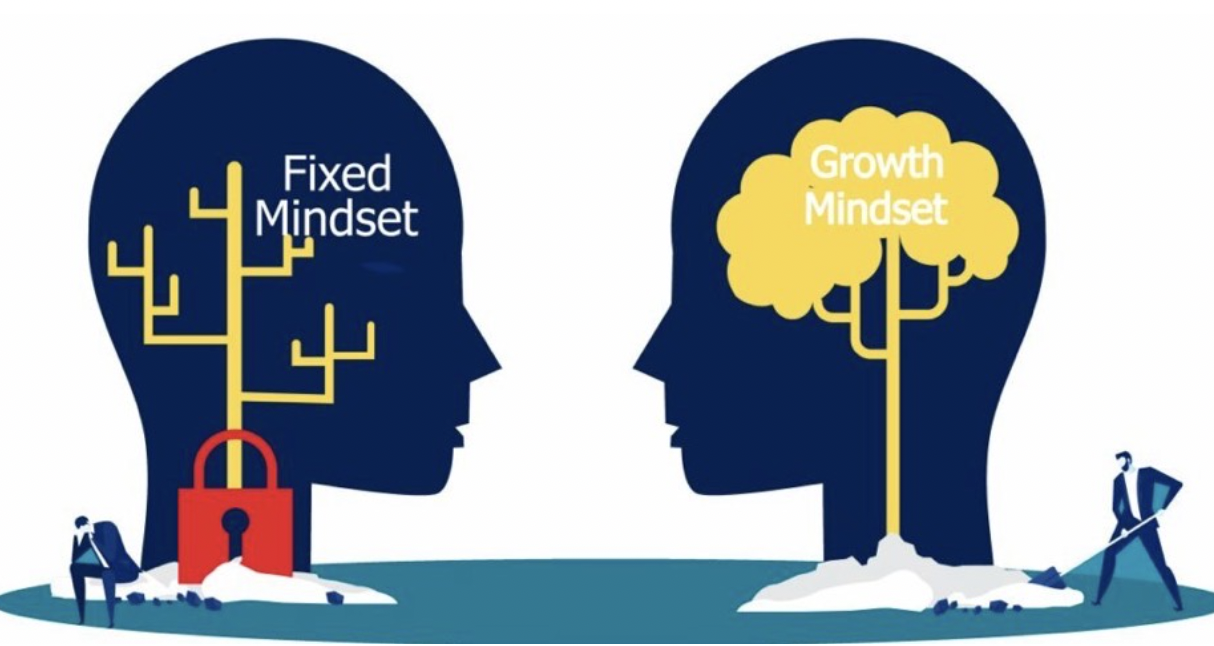
As the world evolves, so does the business landscape, with change happening rapidly. Success is no longer determined solely by skill or knowledge, but by mindset and the ability to grow alongside the ever-changing world.
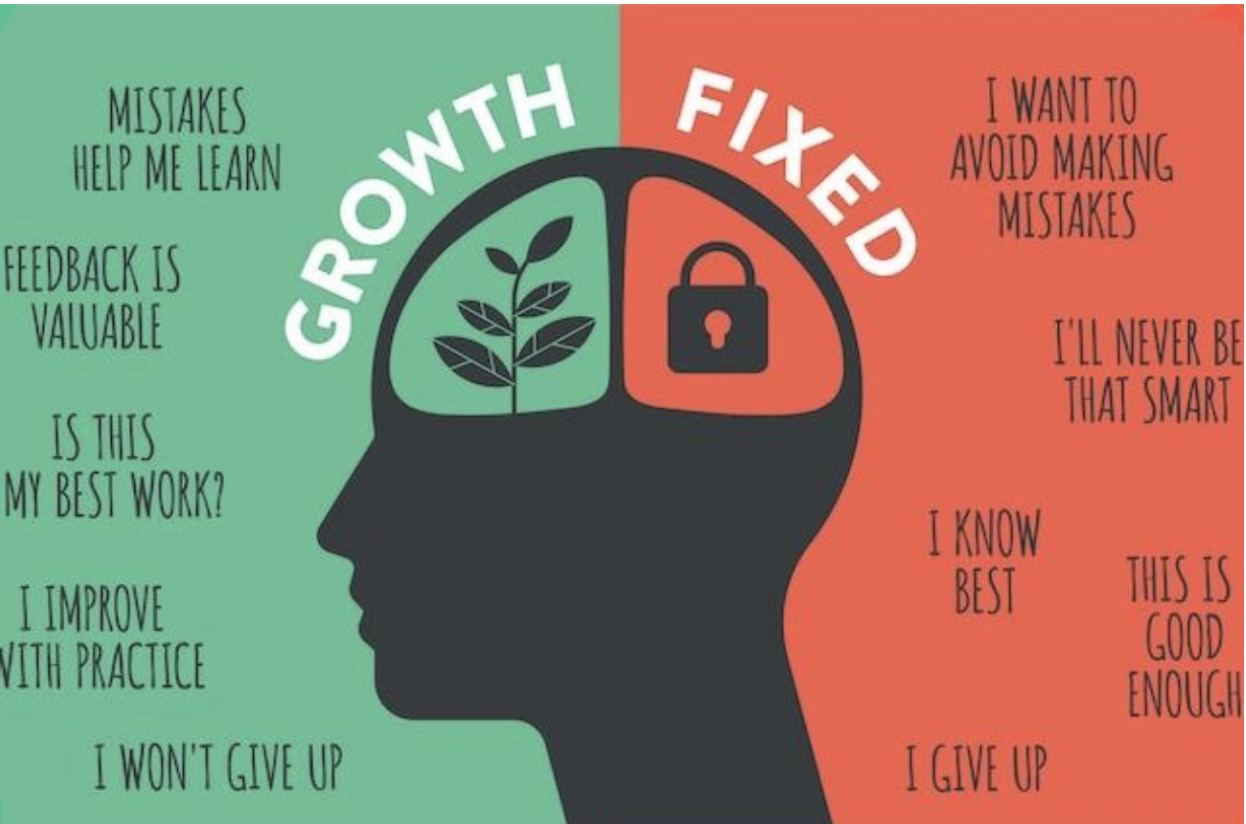
The distinction between a fixed mindset and a growth mindset shapes how individuals and organizations progress. A fixed mindset is rooted in the belief that abilities are static and unchangeable. Such a mindset manifests as an avoidance of challenges, a constant need for validation, and a fear of failure. These individuals also carry a prominent fear of failure as they tend to perceive feedback as a personal attack, causing them to withdraw from risk-taking and effort, believing if they make a mistake, it means they are simply not good enough. As a result, they may struggle in professional environments due to their inflexibility and fragility. Their narrow perspective restricts innovation, as they prioritize short-term success over long-term development, solely focusing on outcomes rather than on the process itself.
Contrastingly, a growth mindset is defined by the belief that abilities can be developed with effort, learning and grit. Individuals with this mindset view failures as learning opportunities and embrace both challenges and effort. Instead of seeking validation, they pursue feedback and use it constructively. Their constant strive towards improvement enables them to evolve over time, while focusing not only on results, but understanding and embracing the process behind that leads to them.
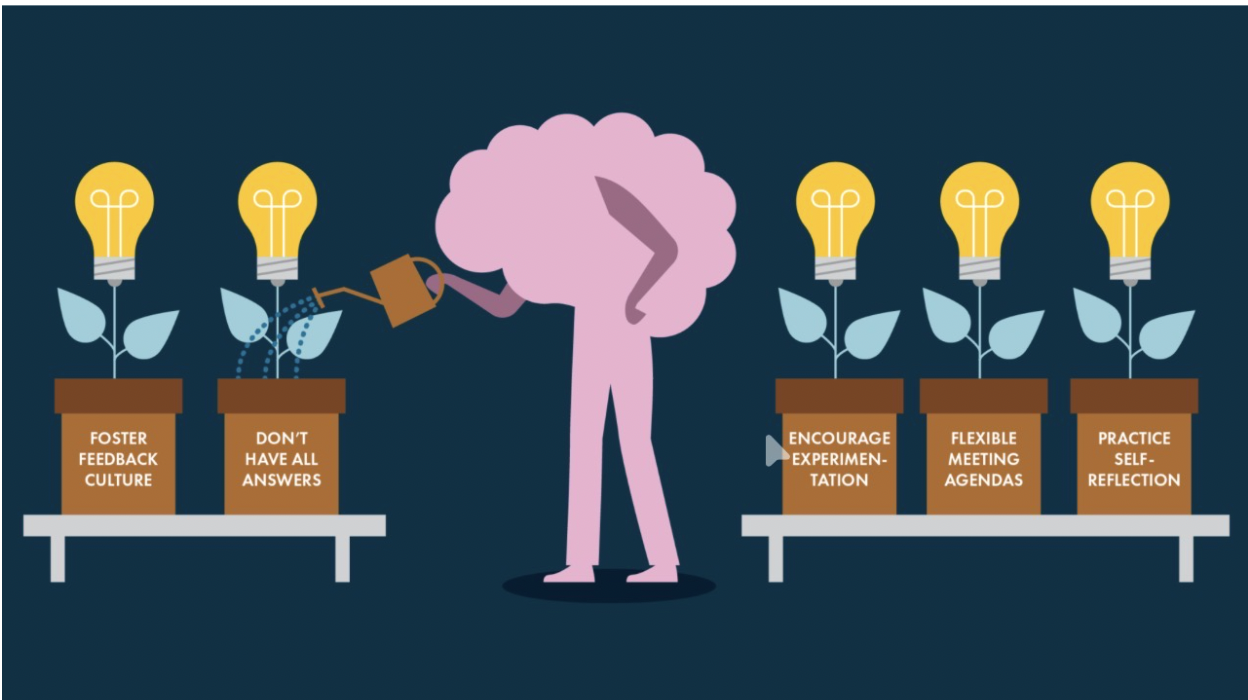
The impact of these mindsets extends beyond individuals and can shape entire organizations. According to Forbes, 80% of senior executives believe that growth mindsets within the workplace directly contribute to revenue growth. A growth-oriented culture empowers employees to take risks and learn from their mistakes. This culture also encourages them to collaborate in ways that unlock their full potential.
On the other hand, a culture rooted in a fixed-mind creates an environment where individuals are afraid to contribute, limiting progress and critical thinking. Without openness to new ideas, viewpoints are limited, which leads to challenges in problem solving. A key advantage of a growth mindset is an open perspective and the ability to consider multiple viewpoints. Instead of solely focusing on immediate surface-level solutions, they are able to identify underlying issues and think beyond the present to anticipate future challenges. Due to this forward thinking, they can develop more innovative solutions and focus on the longevity of success.
However, fostering such a culture requires strong leadership and encouragement of flexibility, experimentation, and openness to ideas are critical steps in developing a growth-oriented environment. When leaders encourage and model a commitment to learning, they empower others to do the same, creating a workplace driven by purpose and continuous improvement. By applying a growth mindset, organizations can unlock the full potential of their people, and that is when they truly can achieve lasting success.
